What this guide decides
Select mold steel using size, pressure, production volume, resin, corrosion, part finish, repair welding and manufacturing route.
Executive summary
- Main decision: Select mold steel using size, pressure, production volume, resin, corrosion, part finish, repair welding and manufacturing route.
- Comparison basis: Record grade, melting route and cleanliness, dimensions and orientation, hardness map, UT, machinability, polish or texture class, corrosion requirements and repair-welding procedure.
- First risk: Uneven block hardness
What decision are you making?
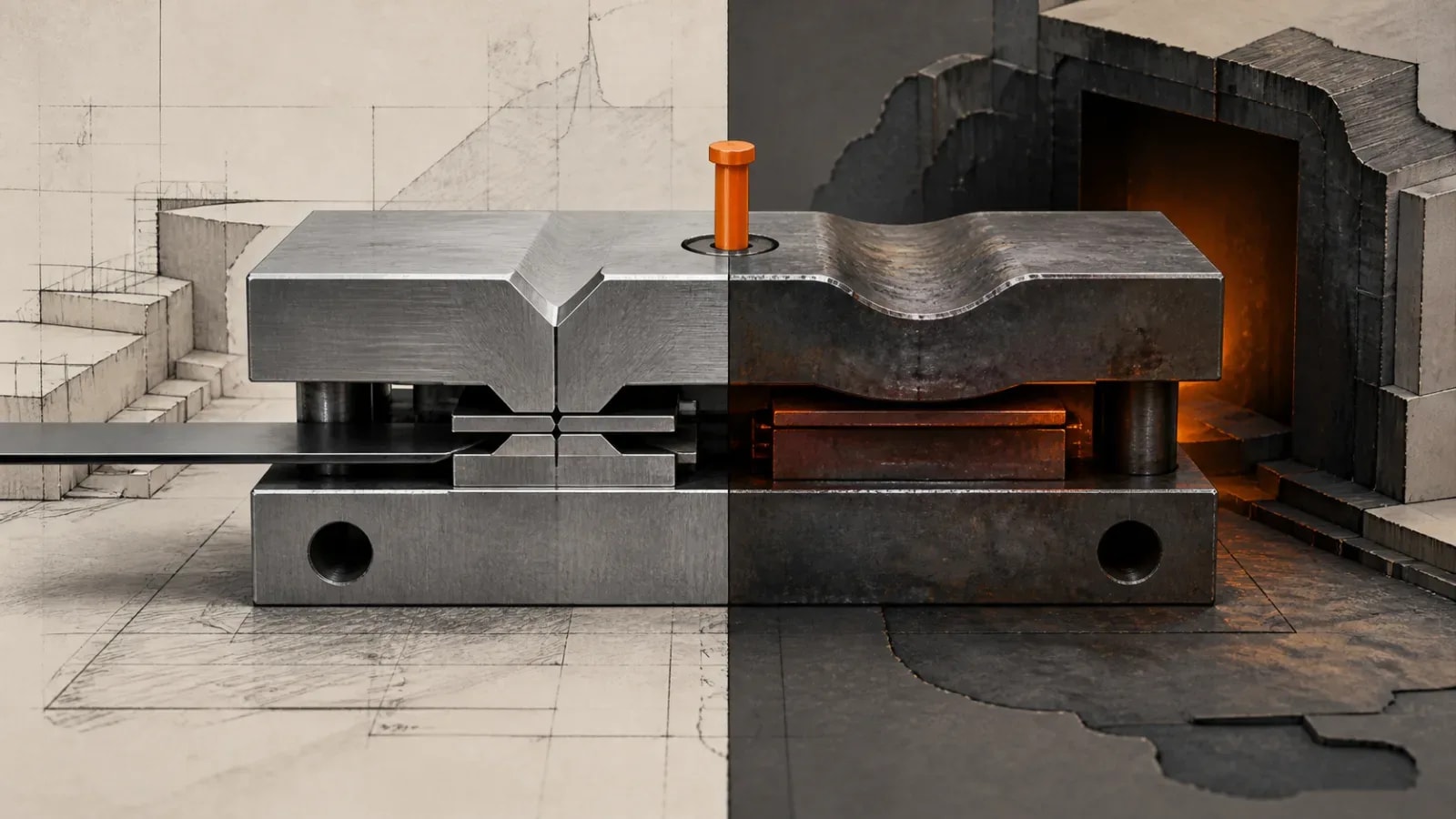
Plastic-mold steel must provide machinability, dimensional stability, polishability or texturing and adequate injection-cycle life. It may be prehardened or supplied for hardening. Evaluate technical specifications, the price basis, delivery terms and quality evidence together. A lower number is not a comparable offer if it covers a different grade, weight, coating or delivery scope.[1][2]
For alloy steel sourced through Iran, require the original producer, heat identity, current standard, full grade, delivery condition and test certificate to remain linked through stockholding and cutting. Importers should obtain engineering acceptance against their destination project requirements before accepting a proposed equivalent. Compare offers in the agreed currency at a named delivery location, including machining allowances, inspection, protective packing and freight; an inexpensive bar or block can become costly if its core properties or traceability are unsuitable.
Technical mechanism and price impact
Segregation and inclusions affect mirror polishing and texture. Uniform hardness in large blocks, cooling channels, repair welding and corrosive resins impose separate constraints.[2][3][4]
Record grade, melting route and cleanliness, dimensions and orientation, hardness map, UT, machinability, polish or texture class, corrosion requirements and repair-welding procedure. Compare offers only after aligning units, the weight basis, taxes, packaging, loading, freight and quote validity. An omitted cost can outweigh the apparent saving per kilogram. Keep the supplier’s currency and payment date visible before converting to your purchasing currency.
Request comparable quotations
Ask every supplier to answer the same written specification. This prevents an apparently cheaper offer from silently changing the product or scope. Confirm the following before comparing prices:
- Dimensions and orientation
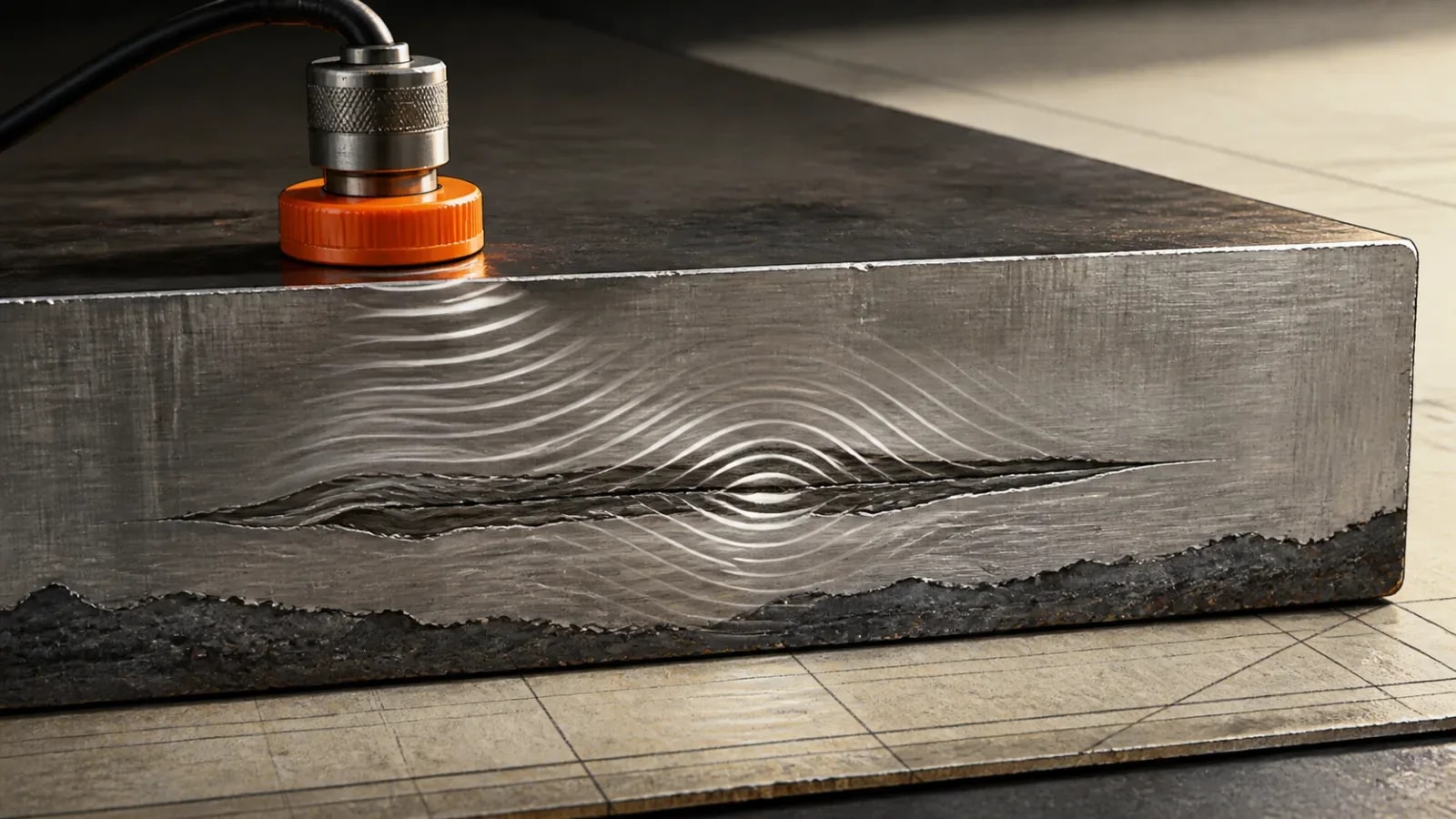
- UT
- Hardness map
- Cleanliness and polishability
- Welding and preheat procedure
Compare the options
Use this table to structure the decision. It does not replace engineering calculations or the contract. The final column identifies the evidence to review before accepting an offer.
| Prehardened | Size and supplied hardness suit the mold | Uniformity and machinability |
| Supplied for hardening | Higher surface or wear performance is needed | Distortion |
| Stainless mold steel | Resin or moisture is corrosive | Polishing and heat treatment |
Common risks and warning signs
Errors often begin when a trade name replaces a technical specification, one photograph stands for an entire shipment, or the delivery scope is missing from the quote. Address these specific risks: Uneven block hardness; Internal defects; Cloudy polish; Repair-weld cracks. Turn each risk into a written acceptance criterion, sampling requirement or traceable document.
A standard number alone does not demonstrate conformity. Specify the edition, grade, dimensions, tolerances, test method, heat or batch number and acceptance authority. For an import project, confirm the destination’s requirements and the project’s approved specification; an Iranian market designation is not automatic evidence of an equivalent local grade.
Make the purchasing decision
P20 alone does not describe block quality. Agree UT, hardness mapping and surface class before investing hours in machining.[4][5]
Before ordering, prepare a single comparison sheet covering the product, quantity, unit, theoretical and actual weight, base price, taxes, freight, delivery window, documents and acceptance criteria. Identify who pays each cost and who records discrepancies at receipt. This makes the negotiation clearer and gives the receiving team an agreed basis for checking the shipment.
Checklist before you order
- 1Dimensions and orientation
- 2UT
- 3Hardness map
- 4Cleanliness and polishability
- 5Welding and preheat procedure
- 6Record the price basis, unit, taxes, loading and freight in the quotation
- 7Match shipment markings and documents to the delivered goods before unloading
Frequently asked questions
What should I check first when evaluating plastic-mold steels?
Align the product definition and acceptance criteria before comparing prices. Record grade, melting route and cleanliness, dimensions and orientation, hardness map, UT, machinability, polish or texture class, corrosion requirements and repair-welding procedure.
Is price alone enough to decide on plastic-mold steels?
No. Prices are comparable only when grade, dimensions, weight, quality, documents, delivery scope and validity match. P20 alone does not describe block quality. Agree UT, hardness mapping and surface class before investing hours in machining.
Sources and how they were used
Standards and primary sources define the method, terminology and scope of each decision. The project’s contractual edition and the approved national standard always take precedence.
- [1]Iranian national standards and services— Iran National Standards Organization
- [2]ISO/TC 17 — Steel— International Organization for Standardization
- [3]Steel Standards— ASTM International
- [4]What is steel?— World Steel Association
- [5]D1 Committee on Structural Welding and AWS D1.1— American Welding Society