What this guide decides
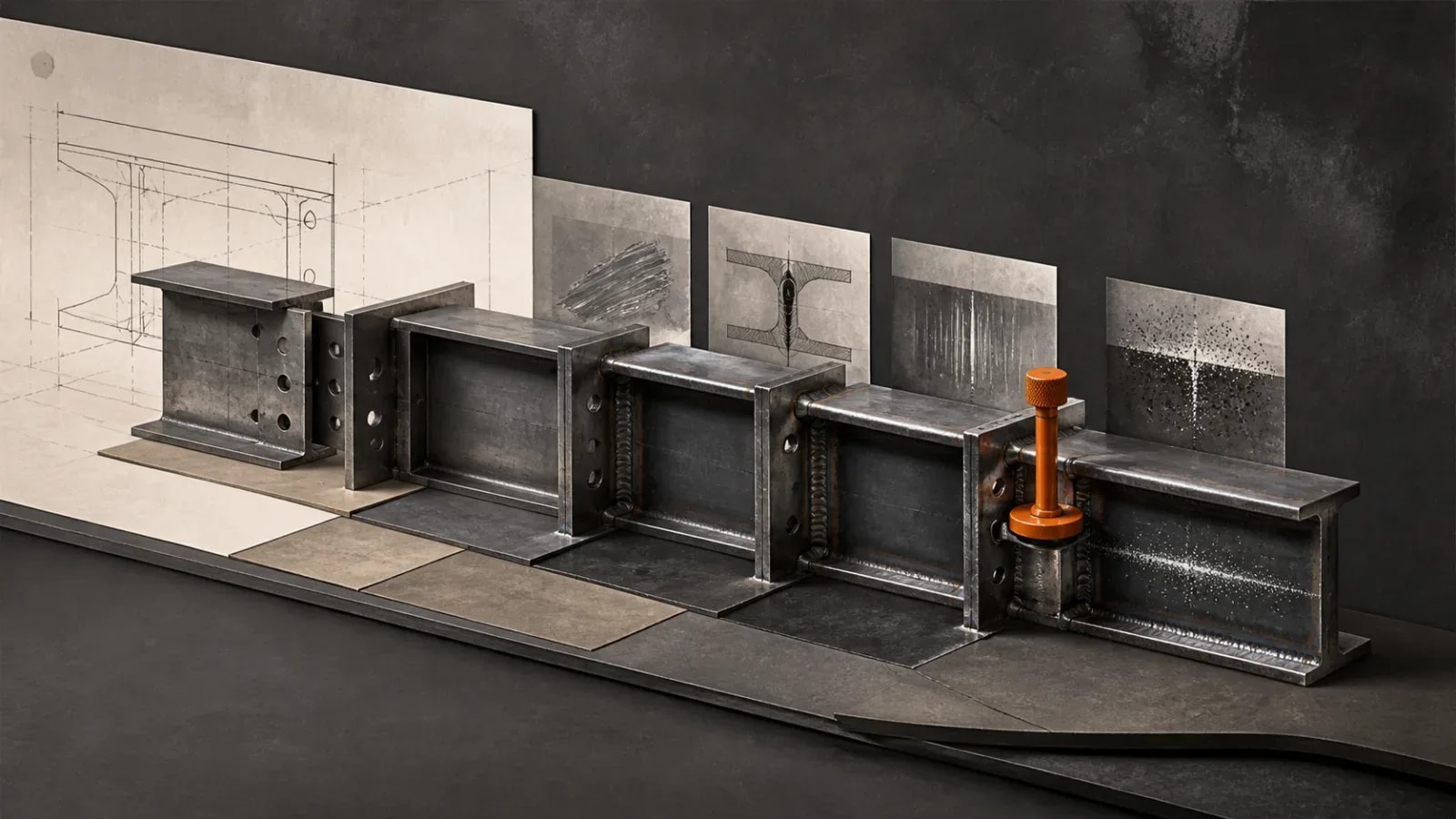
Link the designed joint, WPS, qualifications, fit-up, execution and inspection into one traceable process.
Executive summary
- Main decision: Link the designed joint, WPS, qualifications, fit-up, execution and inspection into one traceable process.
- Comparison basis: Record code edition, joint detail, base metal, WPS and PQR, welder qualification, consumables, preheat and interpass temperatures, inspection stages and acceptance criteria.
- First risk: Welding without a WPS
What decision are you making?
Weld quality depends on base metal, joint design, consumables, heat input, skill, sequence and acceptance criteria as well as final appearance. Evaluate technical specifications, the price basis, delivery terms and quality evidence together. A lower number is not a comparable offer if it covers a different grade, weight, coating or delivery scope.[1][2]
When importing steel from Iran, price differences often reflect weight basis, local tax treatment, delivery location, cutting, packing, freight, quote validity and documentation. Keep one order, lot and acceptance reference from RFQ through discharge and any claim. Specify settlement currency, the named port or final delivery place, inspection language and destination project requirements. Ask the responsible parties to confirm applicable border charges and documents for the actual shipment rather than assuming that an Iranian domestic quote represents the importer's landed cost.
Technical mechanism and price impact
Hydrogen, restraint, thickness and metal temperature change cracking risk. Root, fusion and internal discontinuities may escape visual inspection; NDT requirements depend on joint classification.[2][3][4]
Record code edition, joint detail, base metal, WPS and PQR, welder qualification, consumables, preheat and interpass temperatures, inspection stages and acceptance criteria. Compare offers only after aligning units, the weight basis, taxes, packaging, loading, freight and quote validity. An omitted cost can outweigh the apparent saving per kilogram. Keep the supplier’s currency and payment date visible before converting to your purchasing currency.
Request comparable quotations
Ask every supplier to answer the same written specification. This prevents an apparently cheaper offer from silently changing the product or scope. Confirm the following before comparing prices:
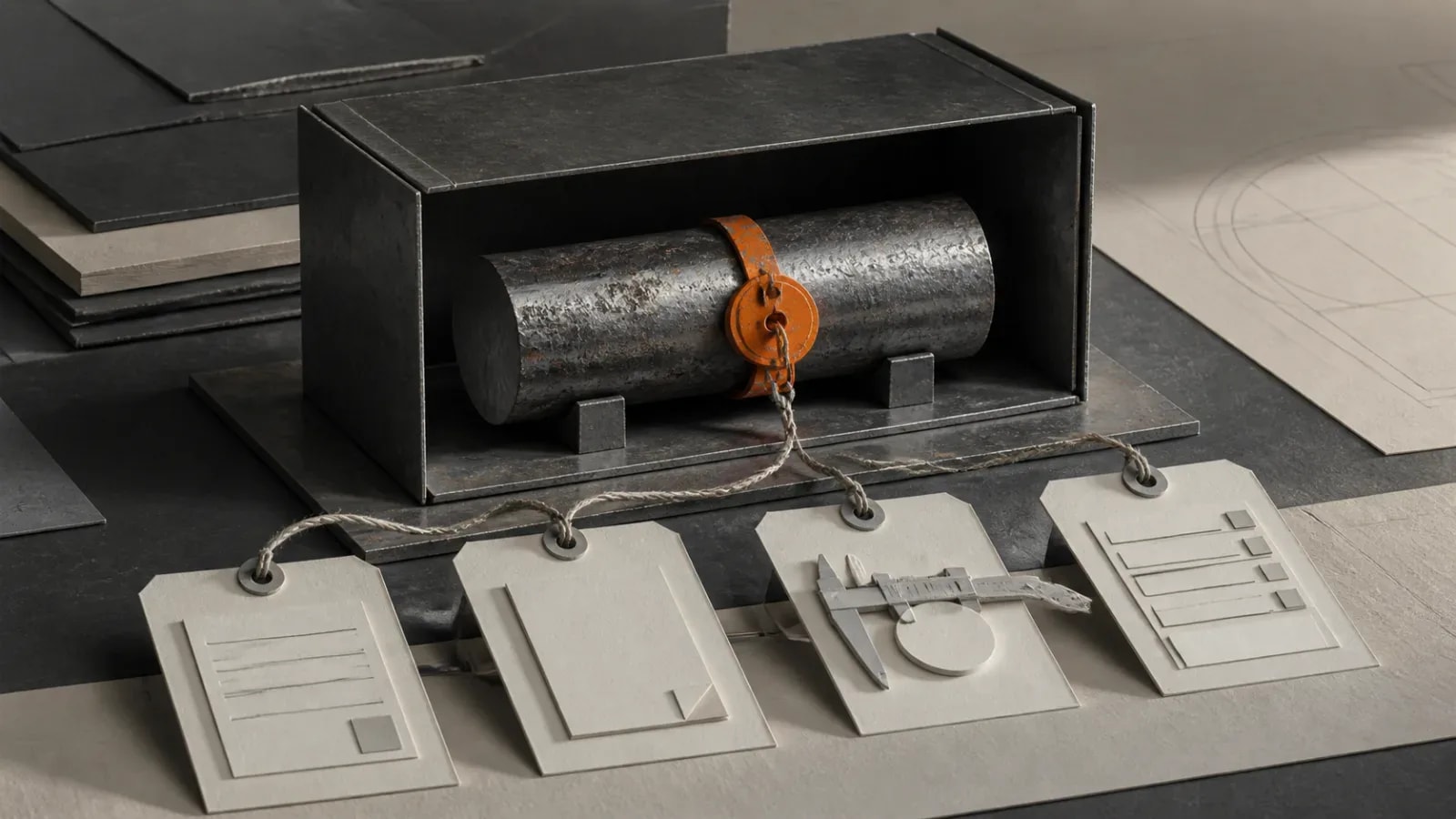
- Material traceability
- WPS and qualifications
- Fit-up and preheat
- In-process visual inspection
- NDT and repair log
Compare the options
Use this table to structure the decision. It does not replace engineering calculations or the contract. The final column identifies the evidence to review before accepting an offer.
| VT | Basic inspection of all joints | Timing, lighting and access |
| MT or PT | Surface or suitable near-surface defects | Material and preparation |
| UT or RT | Internal defects as required by the code | Procedure and interpretation |
Common risks and warning signs
Errors often begin when a trade name replaces a technical specification, one photograph stands for an entire shipment, or the delivery scope is missing from the quote. Address these specific risks: Welding without a WPS; Poor fit-up; Damp consumables; Late NDT. Turn each risk into a written acceptance criterion, sampling requirement or traceable document.
A standard number alone does not demonstrate conformity. Specify the edition, grade, dimensions, tolerances, test method, heat or batch number and acceptance authority. For an import project, confirm the destination’s requirements and the project’s approved specification; an Iranian market designation is not automatic evidence of an equivalent local grade.
Make the purchasing decision
Final inspection cannot reconstruct an uncontrolled process. Establish hold points before joints become inaccessible.[4][5]
Before ordering, prepare a single comparison sheet covering the product, quantity, unit, theoretical and actual weight, base price, taxes, freight, delivery window, documents and acceptance criteria. Identify who pays each cost and who records discrepancies at receipt. This makes the negotiation clearer and gives the receiving team an agreed basis for checking the shipment.
Checklist before you order
- 1Material traceability
- 2WPS and qualifications
- 3Fit-up and preheat
- 4In-process visual inspection
- 5NDT and repair log
- 6Record the price basis, unit, taxes, loading and freight in the quotation
- 7Match shipment markings and documents to the delivered goods before unloading
Frequently asked questions
What should I check first when evaluating structural-steel welding quality?
Align the product definition and acceptance criteria before comparing prices. Record code edition, joint detail, base metal, WPS and PQR, welder qualification, consumables, preheat and interpass temperatures, inspection stages and acceptance criteria.
Is price alone enough to decide on structural-steel welding quality?
No. Prices are comparable only when grade, dimensions, weight, quality, documents, delivery scope and validity match. Final inspection cannot reconstruct an uncontrolled process. Establish hold points before joints become inaccessible.
Sources and how they were used
Standards and primary sources define the method, terminology and scope of each decision. The project’s contractual edition and the approved national standard always take precedence.
- [1]Iranian national standards and services— Iran National Standards Organization
- [2]ISO/TC 17 — Steel— International Organization for Standardization
- [3]Steel Standards— ASTM International
- [4]Iran Mercantile Exchange physical-market trading statistics— Iran Mercantile Exchange
- [5]Steel & Metals Price Assessment Methodology— S&P Global Energy — Platts