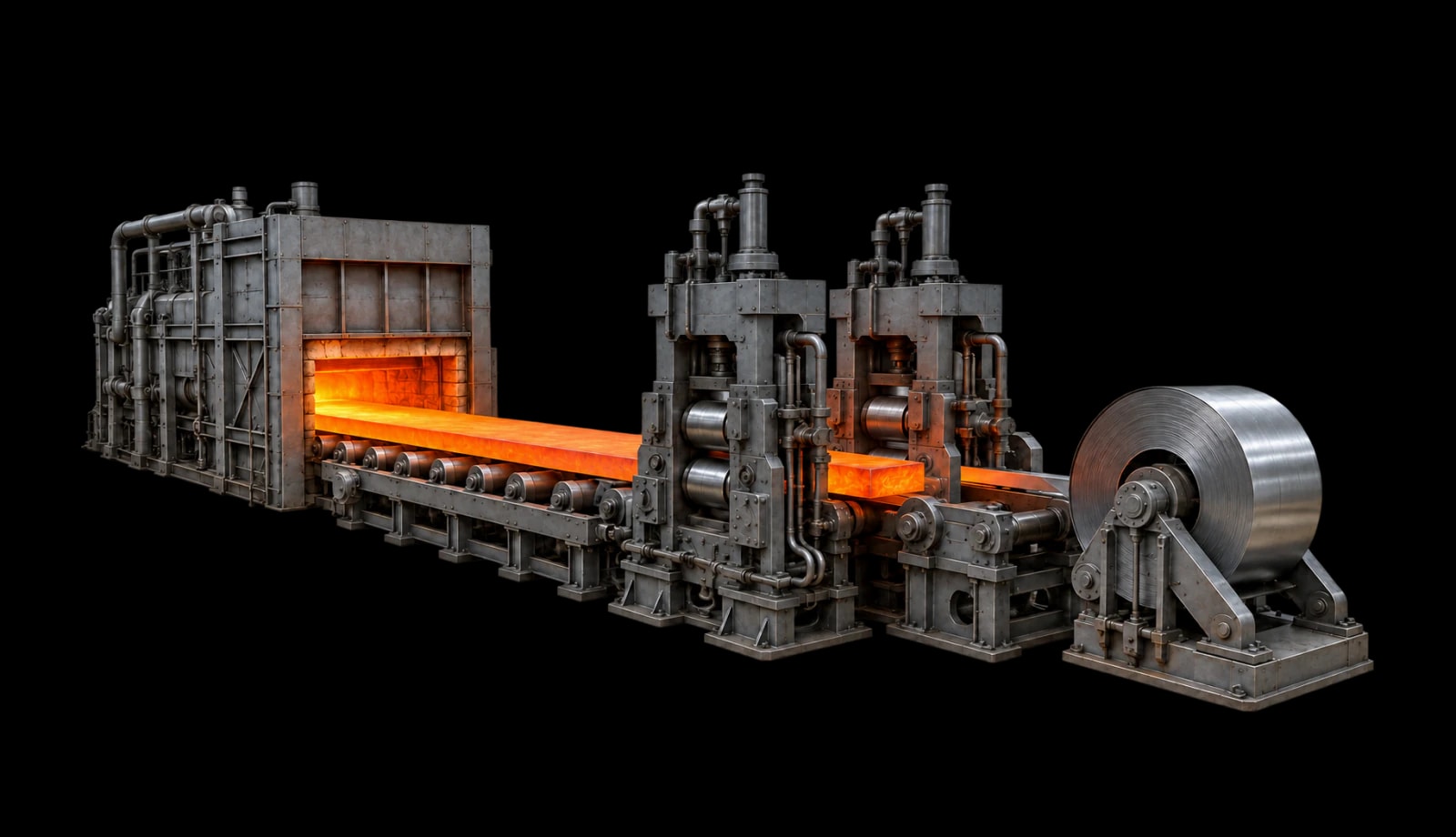
Introduction to Anahita Gilan Steel
Anahita Gilan Steel is one of the deformed rebar producers in the Iranian steel market, offering its products in eleven sizes from 8 to 32 mm and in two standards, A2 and A3. This wide size range allows a broad spectrum of buyers — from contractors of medium-sized building projects to builders of heavy structures — to source their requirements from among its products.
Part of the factory's supply is offered through the commodity exchange, which gives buyers the option of meeting part of their needs through a formal and transparent channel.
Products, Sizes and Standards
The factory's main product is deformed rebar, produced in 8, 10, 12, 14, 16, 18, 20, 22, 25, 28 and 32 mm sizes. Typical applications by size group are as follows:
- 8 and 10 mm: suitable for stirrups, secondary reinforcement and light structures; these sizes are also offered in standard A2, whose higher ductility makes them better suited to bending and to applications involving welding.
- 12 to 20 mm: the most widely used sizes in residential and commercial construction for beams, columns and foundations.
- 22 to 32 mm: suitable for main columns, bridges, industrial structures and infrastructure projects carrying heavy loads.
Standard A3, owing to its higher carbon content, is the most common choice for the main reinforcement of concrete structures. In the factory's listed offerings, the 14–32 mm range in standard A3, the 8 and 10 mm bars in standard A2, and short-length 14–20 mm bars are among the listed items; this list is a selection of products and does not necessarily cover the factory's entire output.
Buying and Selection Guide
- Kilogram-based pricing: products are priced per kilogram and vary by size and standard; for current prices, see the product page or contact the sales team.
- Check bar weights: the actual weight of the bars may differ from your initial estimate; verify the load weight at the loading point before settlement and base your tonnage calculations on the actual weight.
- Tonnage and purchase channel: buyers with high-tonnage requirements can follow the exchange offerings; for smaller tonnages, direct coordination with the factory's sales unit is simpler.
- Coordinate the loading point: finalize loading details and scheduling with the sales unit before requesting dispatch, so that delivery delays and waiting costs are kept to a minimum.
- Match the project specification: the applications described above are general guidance only; the final size and standard must match the structural drawings and technical specifications of your project.
- Track price trends: rebar prices move with fluctuations in the steel market; reviewing the price trend before buying helps you choose the right timing.
Prices include VAT by default. Each product’s pricing unit is shown in the table.